
Đào tạo & nghiên cứu
The Antibiotic Resistance Status of Gram-negative Bacilli causing Hospitalized Pneumonia Directly Detected by the MPL real-time PCR to Detect the Antibiotic Resistance Genes
11 Tháng 06, 2026
101 Views
The Antibiotic Resistance Status of Gram-negative Bacilli causing Hospitalized Pneumonia Directly Detected by the MPL real-time PCR to Detect the Antibiotic Resistance Genes
Huong Thien Pham1,2,3*, Van Hung Pham1,2, Duy Khanh Tran1,2, Quoc Viet Nguyen1,2
1Vietnam Research and Development Institute of Clinical Microbiology, Ho Chi Minh city 70000, Vietnam; 2NK-Biotek Co.;
3Pham Ngoc Thach University of Medicine, Ho Chi Minh city 70000, Vietnam
BACKGROUND
The causative agents of pneumonia requiring hospitalization are often Gram-negative bacilli, and this presents a challenge in treatment because Gram-negative bacilli, especially A. baumannii, P. aeruginosa, K. pneumoniae, and E. coli, have a relatively high rate of antibiotic resistance, including to potent and broad-spectrum antibiotics such as third and fourth generation cephalosporins and carbapenems[1,2,3].
AIMS OF THE STUDY
To investigate the antibiotic resistance of Gram-negative bacilli causing hospital-acquired pneumonia, utilizing the multiplex realtime PCR (MPL-rPCR) assay developed by the Vietnam Institute of Clinical Microbiology Research and Development (VCM).
MATERIALS AND METHODS
|
We conducted a five-year retrospective analysis of 15,936 respiratory clinical samples from hospitalized patients. The workflow of viral detection using an in-house MLP-rPCR assay targeting 17 respiratory viruses is shown below. |
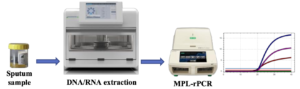
Figure 1: Workflow used to detect pathogens and antibiotic-resistant genes using MPL-rPCR |
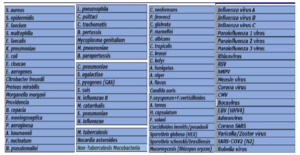
| Table 1: Pathogens detected by the MPL-rPCR developed by the VCM
|
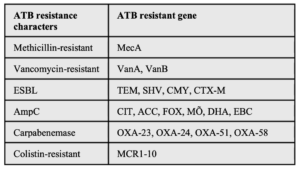
Table 2: Antibiotic resistant genes detected directly from the samples by the MPL-rPCR developed by the VCM
|
RESULTS
CONCLUSIONS
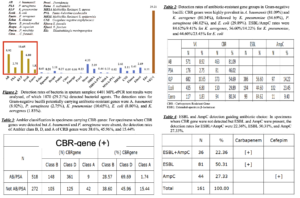
By comprehensively analyzing information on the direct detection of bacterial agents, particularly Gram-negative bacilli, from lower respiratory tract specimens, this study highlights the assay’s value in helping clinicians optimize antibiotic selection.
REFERENCES
1. Principe, L., Lupia, T., Andriani, L., Campanile, F., Carcione, D.,Corcione, S., … & Di Bella, S.(2022). Microbiological, clinical, and PK/PD features of the new anti-Gram-negative antibiotics: β-lactam/β-lactamase inhibitors in combination and cefiderocol—an all-inclusive guide for clinicians. Pharmaceuticals, 15(4), 463.2.
2. Hall, B. G., & Barlow, M. (2005). Revised Ambler classification of β-lactamases. Journal of Antimicrobial Chemotherapy, 55(6), 1050-1051.
3. Banerjee R, Patel R. Molecular diagnostics for genotypic detection of antibiotic resistance: current landscape and future directions. JAC Antimicrob Resist. 2023 Feb 17;5(1):dlad018. doi: 10.1093/jacamr/dlad018. PMID: 36816746; PMCID: PMC9937039.

Tin liên quan
Liên kết


Địa chỉ: 793/ 58 Trần Xuân Soạn, phường Tân Hưng, Quận 7, TP. Hồ Chí Minh
Email:visinhlamsang.vcm@gmail.com
Sđt: 0903.698.920
Copyright 2024 Vietnam Research and Development Institute of Clinical Microbiology